


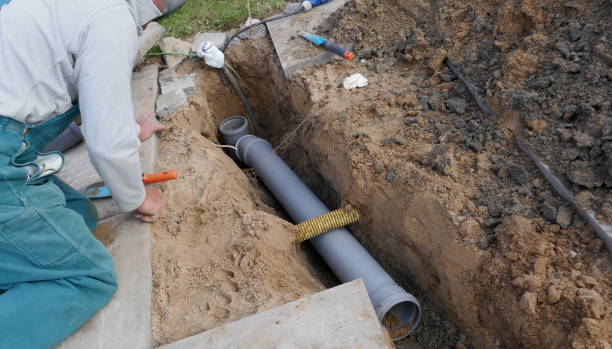
Pipeline infrastructure is essential for transporting water, wastewater, stormwater, industrial fluids, chemicals, and process liquids across municipalities and industrial facilities. Many underground pipeline systems that were installed decades ago are now approaching the end of their design life due to corrosion, material degradation, ground movement, chemical exposure, and continuous operational wear. Replacing these pipelines using traditional excavation methods can be expensive, time-consuming, and highly disruptive to surrounding infrastructure and daily operations.
Pipeline rehabilitation has become a preferred solution because it restores structural integrity while minimizing excavation, environmental impact, and project costs. Among the available rehabilitation technologies, Cured-in-Place Pipe (CIPP) liner systems have become one of the most widely adopted trenchless methods for repairing damaged pipelines.
Modern pipeline rehabilitation combines structural engineering, material science, hydraulic analysis, finite element analysis, and advanced inspection technologies to extend pipeline service life while maintaining compliance with industry standards and regulatory requirements.
This article explains the principles of pipeline rehabilitation and CIPP liner design while highlighting the key engineering considerations that contribute to successful and cost-effective infrastructure upgrades.
What Is Pipeline Rehabilitation?
Pipeline rehabilitation is the process of restoring existing pipelines to improve structural performance, hydraulic efficiency, and operational reliability without completely replacing the original pipe.
The objectives include:
- Extending service life
- Restoring structural capacity
- Reducing leakage
- Improving flow performance
- Preventing future failures
- Lowering maintenance costs
- Minimizing service interruptions
- Reducing environmental impact
Rehabilitation is often more economical than full pipeline replacement.
Understanding CIPP Liner Technology
Cured-in-Place Pipe, commonly known as CIPP, is a trenchless rehabilitation technique that installs a flexible resin-saturated liner inside an existing pipeline.
After installation, the liner is cured using heat, steam, hot water, or ultraviolet light, creating a new structural pipe within the existing host pipe.
The finished liner provides:
- Structural reinforcement
- Corrosion resistance
- Leak prevention
- Smooth internal surfaces
- Long service life
Because excavation is minimized, CIPP projects are significantly less disruptive than conventional replacement methods.
Common Applications
CIPP liner systems are used for a wide range of infrastructure projects.
Typical applications include:
- Municipal water pipelines
- Wastewater collection systems
- Stormwater drains
- Industrial process pipelines
- Cooling water systems
- Chemical transport lines
- Utility conduits
- Gravity sewer systems
- Pressure pipelines
- Culverts
Each application requires engineering tailored to operating conditions and pipeline characteristics.
Causes of Pipeline Deterioration
Underground pipelines are exposed to numerous factors that contribute to deterioration over time.
Common causes include:
- Internal corrosion
- External corrosion
- Chemical attack
- Abrasion
- Ground settlement
- Earthquake activity
- Tree root intrusion
- Joint separation
- Pipe cracking
- Material aging
Understanding the cause of deterioration is essential before selecting a rehabilitation strategy.
Pipeline Inspection Before Rehabilitation
A thorough condition assessment forms the foundation of every successful rehabilitation project.
Inspection methods often include:
- Closed-circuit television inspection
- Laser profiling
- Sonar inspection
- Leak detection
- Wall thickness measurement
- Flow monitoring
- Pressure testing
- Ground penetrating radar
Accurate inspection data allows engineers to develop an appropriate rehabilitation design.
Engineering Design Considerations
Professional CIPP liner design considers multiple engineering factors.
These include:
- Existing pipe material
- Internal diameter
- Pipe length
- Groundwater conditions
- Soil loading
- Traffic loading
- Internal pressure
- External pressure
- Hydraulic requirements
- Long-term performance
Each factor influences liner thickness and structural design.
Structural Design of CIPP Liners
The structural design ensures that the rehabilitated pipeline can safely withstand operational and environmental loads.
Engineering evaluates:
- Buckling resistance
- External groundwater pressure
- Soil loads
- Live traffic loads
- Ovality
- Host pipe condition
- Long-term material properties
Proper structural analysis ensures long-term reliability.
Material Selection
Selecting the correct liner material is critical.
Common materials include:
- Polyester resin
- Vinyl ester resin
- Epoxy resin
- Fiberglass reinforcement
- Needle felt liners
- Woven textile liners
Material selection depends on chemical exposure, operating temperature, structural requirements, and curing methods.
Hydraulic Performance
Rehabilitation should maintain or improve hydraulic capacity.
Engineers evaluate:
- Flow velocity
- Internal roughness
- Pipe diameter
- Pressure losses
- Capacity requirements
Smooth liner surfaces often improve flow despite a slight reduction in internal diameter.
Installation Methods
Several curing techniques are available depending on project requirements.
Common methods include:
- Hot water curing
- Steam curing
- Ultraviolet curing
- Ambient curing
Each method offers specific advantages based on pipeline size, location, and material.
Quality Control During Installation
Successful rehabilitation depends on strict quality assurance.
Typical activities include:
- Material verification
- Resin testing
- Temperature monitoring
- Pressure monitoring
- Thickness measurement
- Visual inspection
- Sample testing
- Cure verification
Proper quality control reduces installation defects.
Post-Installation Inspection
After rehabilitation, engineers verify the completed installation.
Inspection activities may include:
- Closed-circuit television inspection
- Dimensional verification
- Leak testing
- Pressure testing
- Thickness confirmation
- Surface inspection
These inspections confirm that the liner meets project specifications. Pipeline Rehabilitation & CIPP Liner Design explains modern trenchless engineering solutions.
Engineering Standards
Pipeline rehabilitation projects commonly reference recognized standards and guidelines.
Examples include:
- ASTM standards
- ASME engineering principles
- AWWA guidelines
- ISO standards
- CSA standards
- Local municipal specifications
Compliance helps ensure consistent engineering quality and regulatory acceptance.
Industrial Applications
CIPP rehabilitation is widely used in:
- Municipal infrastructure
- Industrial facilities
- Mining operations
- Chemical processing plants
- Oil and gas facilities
- Manufacturing plants
- Water treatment facilities
- Power generation stations
- Airports
- Marine terminals
The versatility of CIPP technology makes it suitable for many pipeline rehabilitation projects.
Points to Consider for Successful Pipeline Rehabilitation and CIPP Liner Design
Conduct a Comprehensive Condition Assessment
Every rehabilitation project should begin with a detailed inspection of the existing pipeline. Understanding the extent of deterioration, deformation, cracking, corrosion, and joint condition allows engineers to select the most appropriate rehabilitation strategy.
Select the Appropriate Rehabilitation Method
Not every damaged pipeline requires the same solution. Engineers should evaluate whether CIPP, slip lining, pipe bursting, localized repairs, or complete replacement provides the best long-term performance and value.
Perform Accurate Structural Calculations
Liner thickness, material strength, groundwater pressure, soil loading, and traffic loads should all be included in the engineering calculations to ensure the rehabilitated pipeline can safely withstand long-term service conditions.
Evaluate Hydraulic Performance
Although CIPP liners slightly reduce the internal diameter of the existing pipe, the smoother internal surface often improves hydraulic efficiency. Engineers should verify that required flow capacity is maintained after rehabilitation.
Consider Environmental Conditions
Groundwater levels, soil characteristics, surrounding infrastructure, temperature variations, and chemical exposure all influence the design and long-term durability of the liner system.
Choose High-Quality Materials
Selecting appropriate resin systems and reinforcement materials improves structural performance, chemical resistance, and service life while reducing future maintenance requirements.
Verify Installation Procedures
Proper liner inversion, resin impregnation, curing temperatures, and pressure control are essential for achieving a high-quality installation that meets engineering specifications.
Maintain Strict Quality Assurance
Continuous monitoring during installation, combined with laboratory testing and field inspections, helps identify problems before the project is completed and ensures compliance with design requirements.
Coordinate with Other Engineering Disciplines
Pipeline rehabilitation often requires collaboration between civil, structural, mechanical, geotechnical, and environmental engineers. Effective coordination reduces construction conflicts and improves project efficiency.
Minimize Service Interruptions
Careful planning allows rehabilitation work to be completed while minimizing disruptions to customers, industrial operations, or municipal services. Temporary bypass systems and phased construction schedules can help maintain continuous operation.
Document the Entire Rehabilitation Process
Maintaining complete engineering records, inspection reports, material certifications, curing data, and testing results supports future maintenance, regulatory compliance, and asset management programs.
Plan for Long-Term Asset Management
Rehabilitation should be viewed as part of a broader infrastructure management strategy. Regular inspections, condition monitoring, and preventive maintenance help maximize the lifespan of the rehabilitated pipeline.
Benefits of Pipeline Rehabilitation Using CIPP Liners
Professional CIPP rehabilitation provides numerous advantages for infrastructure owners and industrial facilities.
These benefits include:
- Lower construction costs compared to full replacement
- Minimal excavation and reduced surface disruption
- Faster project completion
- Extended pipeline service life
- Improved structural integrity
- Better corrosion resistance
- Reduced leakage and infiltration
- Improved hydraulic performance
- Lower maintenance requirements
- Reduced environmental impact
- Increased public safety during construction
- Greater operational reliability
- Reduced traffic disruption in urban areas
- Improved long-term asset value
- Cost-effective infrastructure modernization
Future Trends in Pipeline Rehabilitation
Pipeline engineering continues to evolve with advanced technologies.
Current developments include:
- Robotic pipeline inspection systems
- Artificial intelligence-assisted defect detection
- Digital twin technology
- Three-dimensional underground mapping
- Smart pipeline monitoring sensors
- Advanced composite liner materials
- Automated installation equipment
- Cloud-based asset management systems
- Predictive maintenance using real-time data
- Sustainable rehabilitation materials with improved environmental performance
These innovations continue to improve rehabilitation quality, reduce project risks, and extend infrastructure lifespan.
Conclusion
Pipeline rehabilitation and CIPP liner design have become essential engineering solutions for upgrading aging infrastructure in a safe, efficient, and cost-effective manner. By restoring structural integrity without extensive excavation, CIPP technology reduces project costs, minimizes environmental impact, and shortens construction schedules while extending the operational life of existing pipelines. Successful rehabilitation depends on detailed inspections, accurate engineering calculations, proper material selection, strict quality control, and compliance with recognized industry standards. When combined with modern inspection technologies and professional engineering expertise, CIPP liner systems provide a reliable and sustainable solution for maintaining critical pipeline infrastructure across municipal, industrial, and commercial applications.
